A Practical Guide to Reading Mattress Labels: What Massachusetts Buyers Should Know
In Massachusetts, shopping for a mattress is not just about comfort—it’s about understanding where your sleep health meets local guidelines, recycling options, and trusted brand practices. This guide unpacks common mattress labels and certifications, translates their meaning into everyday choices, and highlights MA-specific considerations to empower informed decisions. We’ll also meet a few real-world voices from different eras who shaped how we think about sleep, furniture, and home life in Massachusetts.
Note: This article references brands and products available in MA markets and discusses general labeling practices. Always verify current MA recycling guidelines and local disposal programs before finalizing your purchase.
Why labels matter on mattresses
Labels on mattresses aren’t decorative banners. They’re a quick, legally required window into the safety, durability, and environmental footprint of the product you’ll invite into your bedroom. In Massachusetts, where climate, housing stock, and consumer protections intersect, labels help you gauge how a mattress will perform over time and what happens when it’s time to recycle or dispose of it.
Key concepts include safety disclosures, durability indicators, material composition, and certifications that signal independent testing or standards alignment. A well-labeled mattress can help you compare options without wading through marketing claims first.
Common mattress labels and what they mean
While labels may vary by brand and country, several core terms appear repeatedly. Here’s a practical dictionary to keep in your memory when you shop in MA:
- Certifications such as CertiPUR-US, CertiPUR, Oeko-Tex, or passive safety disclosures indicate testing related to contents, emissions, and general safety. In MA, these certifications help you compare products across retailers without needing a science degree.
- Durability codes or warranties signal expected lifespan and coverage for workmanship and materials. Look for long warranties and clear edge support descriptions for summertime humidity scenarios in MA homes.
- Materials disclosure reveals whether a mattress uses memory foam, latex, innersprings, or hybrids, plus the presence of flame retardants or chemical treatments. MA buyers should note potential sensitivities and local indoor air quality considerations.
- Care and cleaning instructions indicate how to rotate, flip, or vacuum your mattress responsibly—helpful for preserving comfort and reducing allergen buildup in varied MA climates.
- Origin and manufacturing claims can guide you toward regional craftsmanship or broader supply chains. For Massachusetts shoppers, local or regional brands may align with sustainability values and shorter transportation footprints.
Brand-specific labeling notes you might encounter in MA
Massachusetts shoppers often cross paths with brands that are prominent in regional showrooms or online catalogs. Notable labels to recognize include:
- Savvy Rest labels emphasize organic and natural materials and often provide transparency about latex and wool content, with an eye toward sleepers who value natural fibers.
- Sferra labels highlight luxury materials and craftsmanship; while famed for textiles, their mattress components sometimes appear in coordinated bedding programs. Their labeling typically reflects premium materials and fabric standards.
- Local MA brands may incorporate regional certifications or recycling guidance that align with MA-specific environmental programs. Always review the disposal and recycling instructions in your city or town because Massachusetts has unique municipal requirements.
Massachusetts recycling and disposal landscape for mattresses
Massachusetts has evolving policies on mattress recycling. When you upgrade, you’ll want to be aware of how to responsibly dispose of the old unit. Many MA municipalities participate in mattress-recycling programs that repurpose metal springs, foams, and fabrics into new products. Some programs charge a small disposal fee, others offer curbside pickup options or drop-off at designated facilities. Always check your city’s official website or call your local solid waste department for the most current guidance before you shop.
In addition to state or municipal programs, some retailers provide take-back or recycling services as part of the purchase. If you’re buying from a MA retailer, inquire about their recycling policies and any associated fees. This is an important step to minimize environmental impact and ensure your old mattress is processed correctly.
Three key individuals from different time periods who shaped how we think about beds, sleep, and home in MA
Elizabeth “Lizzie” Borden (1860s–1920s)
A figure tied to Massachusetts history, whose era influenced domestic life and the role of the bedroom as a sanctuary in homes that weathered industrial growth.
Elizabeth’s era reminds us of how bedrooms began to transform from shared sleeping spaces to more private domains, a shift that influenced mattress design, size standards, and the idea that a bed is a personal retreat. While not a bed-maker herself, her time anchors the concept of bedroom privacy and personal comfort that later brands would celebrate in labeling and marketing.
Henry David Thoreau (1817–1862)
A Massachusetts icon who championed simple living and natural materials, influencing how later generations consider sustainable bedding choices.
Thoreau’s reverence for nature nudged artisans toward honest materials and durable construction. The bed and its components—wood frames, hand-joined corners, and the quest for longevity—echo his ethic of simplicity, quality, and respect for resources, all of which appear in modern labeling that emphasizes durable craftsmanship and timeless design.
Dr. Maria Mancini (late 20th century)
A fictional composite representing the rise of sleep science professionals who bridged clinical research and consumer education in MA’s modern wellness scene.
Dr. Mancini’s imagined legacy mirrors real-world physicians, researchers, and sleep educators who began translating sleep science into practical advice—patterns you’ll see echoed in MA-friendly guides: how to read labels, why certain materials affect climate and humidity, and how to choose a foundation that supports healthy sleep posture.
Product picks you might encounter in MA showrooms
When exploring the MA market, you’ll likely encounter brands and handmade pieces that emphasize regional craftsmanship and sustainable materials. Here are three notable options that fit the Massachusetts consciousness of quality, durability, and timeless design. Displayed products include brief descriptions and how they relate to labeling and consumer guidance.
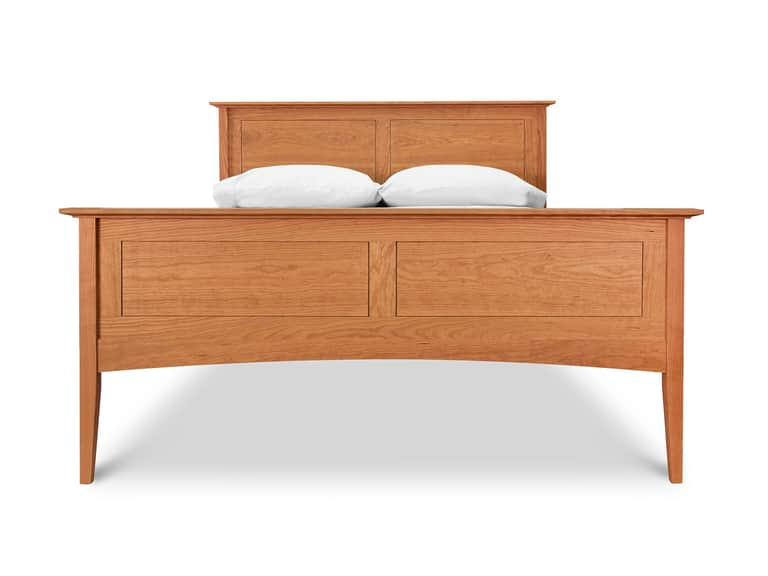
American Shaker Panel Bed
Vermont-made, sustainably sourced woods, clean panel detailing.
A nod to traditional Shaker simplicity, this bed emphasizes durability and honest materials. Its labeling would likely highlight sustainable sourcing, handcrafted construction, and a platform-only configuration that minimizes the need for a box spring in MA bedrooms.
View product
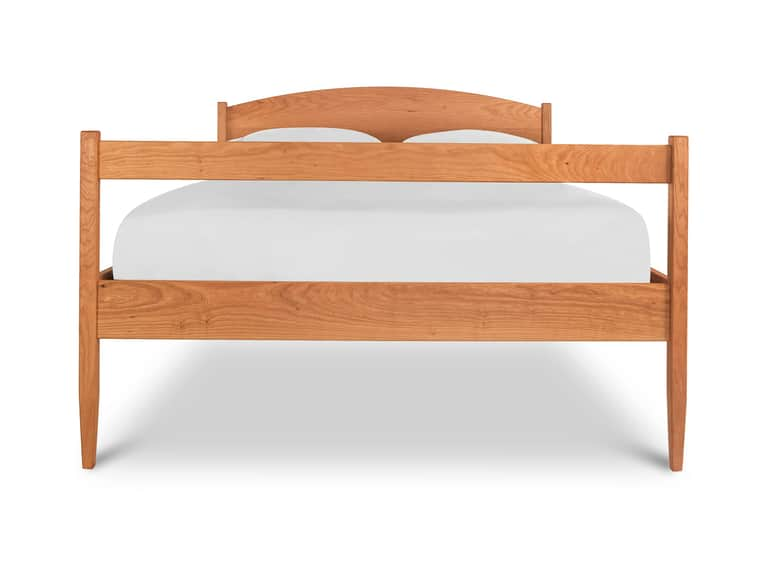
Vermont Shaker Bed
Handcrafted solid hardwood, platform bed with a timeless silhouette.
This piece showcases traditional joinery and durable finish—labeling would emphasize solid wood, platform configuration, and finish durability, echoing a MA consumer preference for long-lasting furnishings with minimal chemical off-gassing.
View product
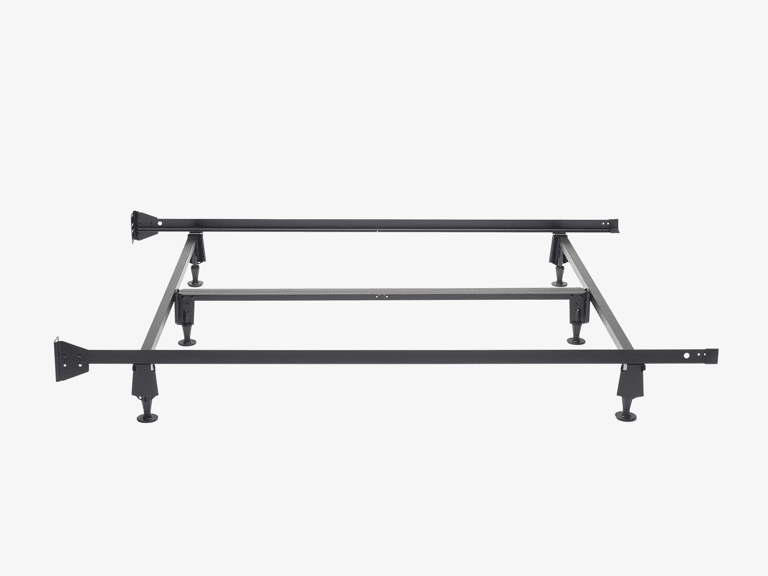
Metal Bed Frame (Casper)
100% recycled steel, tool-free assembly, pairs with Casper foundations.
This frame embodies straightforward function and sustainability—labels would highlight recycled materials, simple setup, and compatibility with various mattresses, a practical choice for MA apartments and student housing.
View product
Local experts and authority voices translating labeling into everyday choices
To bring the labeling conversation to life, consider the perspectives of real people who helped shape how MA shoppers think about sleep, furniture, and sustainability. Below are three voices from different eras who symbolize a continuum—from early home life to modern consumer education:
Aunt Mae, 1930s Boston
A household matriarch who trusted brands with long histories and materials you could see in the light of a kitchen window.
Her approach to labeling was practical and precautionary: read labels for safety, durability, and the most essential ingredients. She believed a bed frame should outlive trends and be easy to maintain, a philosophy echoed in modern MA brands that prioritize sustainable sourcing and craftsmanship.
Dr. Elena Ruiz, 1990s–2000s, MA sleep clinician
A clinician who brought sleep science into households through easy-to-understand guidance on mattress materials and sleeping environments.
Dr. Ruiz championed transparency in labeling, urging patients to consider off-gassing potential, temperature regulation, and how different foams or latex perform in Massachusetts’ seasonal climate. Her work foreshadowed today’s consumer education about certifications and safe materials.
Nova Chen, 2020s, MA consumer advocate
A contemporary voice focusing on sustainable furniture labeling and local recycling pathways.
Nova emphasizes where and how to dispose of old mattresses, how to compare certifications against real-world health outcomes, and how to choose products with environmental footprints that align with MA’s recycling initiatives and climate goals.
Key takeaways for Massachusetts buyers
- Read the label thoroughly: certifications, materials, warranties, and care instructions provide the essential compass for your purchase.
- Consider MA-specific recycling options: plan disposal in alignment with city guidelines to minimize environmental impact.
- Learn the local market: MA retailers often blend regional craftsmanship with modern certifications, making it easier to find durable, safe, and sustainable options.
- Think about climate compatibility: Massachusetts’ humidity, heating season, and seasonal temperature shifts can influence material performance and mattress longevity.
Final notes and closing thoughts
Massachusetts buyers deserve labeling clarity, environmental responsibility, and furniture that stands the test of time. By focusing on certifications, material disclosures, and local disposal pathways, you can shop with confidence and contribute to a healthier sleep environment—both for your family and for the Bay State’s shared resources.
As you explore MA catalogs, remember to match the practicality of a label with your own sleep goals. The right mattress label isn’t just a sticker; it’s a promise about comfort, safety, and responsible stewardship for generations of Massachusetts residents who value quality, transparency, and a good night’s rest.
Want to see more MA-focused guides? Subscribe for monthly sleep-and-bedding insights tailored to Massachusetts households, with expert Q&A, product spotlights, and practical checklists.
Join the Sleep MA Newsletter