A mattress topper is an essential bedding accessory that sits atop a mattress to modify surface feel, support, and durability. It can adjust firmness, temperature regulation, and pressure relief, making sleep environments more adaptable to personal preferences. Common materials include memory foam, latex, and featherbed variants that add a plush, breathable layer.
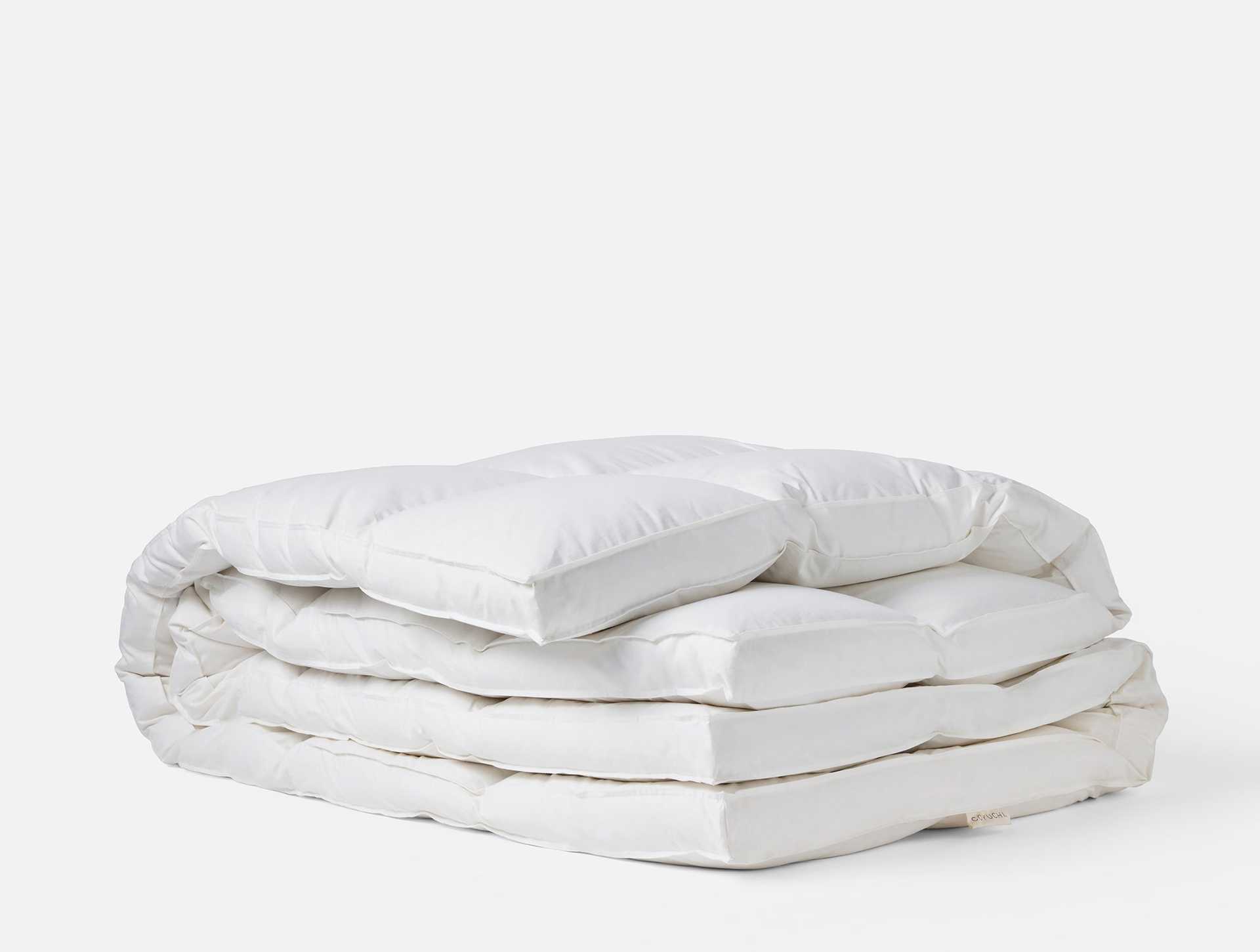
In Massachusetts, understanding the function of a Down Featherbed topper reveals benefits such as enhanced loft, cluster-down cushioning, and improved airflow. The featherbed layer distributes weight more evenly and can reduce motion transfer, supporting restful sleep for couples. It also contributes to a luxurious initial feel without significant mattress overhaul.
Key features to evaluate include fill power, coverage depth, and shell material. Featherbed toppers typically use high-quality down clusters to deliver cloud-like softness, while edge-to-edge sizing ensures uniform comfort across the bed. Care instructions often emphasize gentle washing and regular fluffing to maintain loft and resilience.
Uses for a Down Featherbed topper extend beyond comfort; they can protect underlying mattresses from wear, allergens, and sweat, while still allowing airflow to regulate temperature. This makes featherbeds suitable for varied climates and sleeping styles, including adjustable-bed setups and platform bed frames where layering stability matters.
Educational considerations for selecting a topper include compatibility with existing bedding configurations, maintenance needs, and performance in relation to mattress type. Understanding how a Down Featherbed interacts with different foundations helps in choosing appropriate bedding accessories, such as fitted sheets and pillow choices, to optimize overall sleep quality.
 Bedding